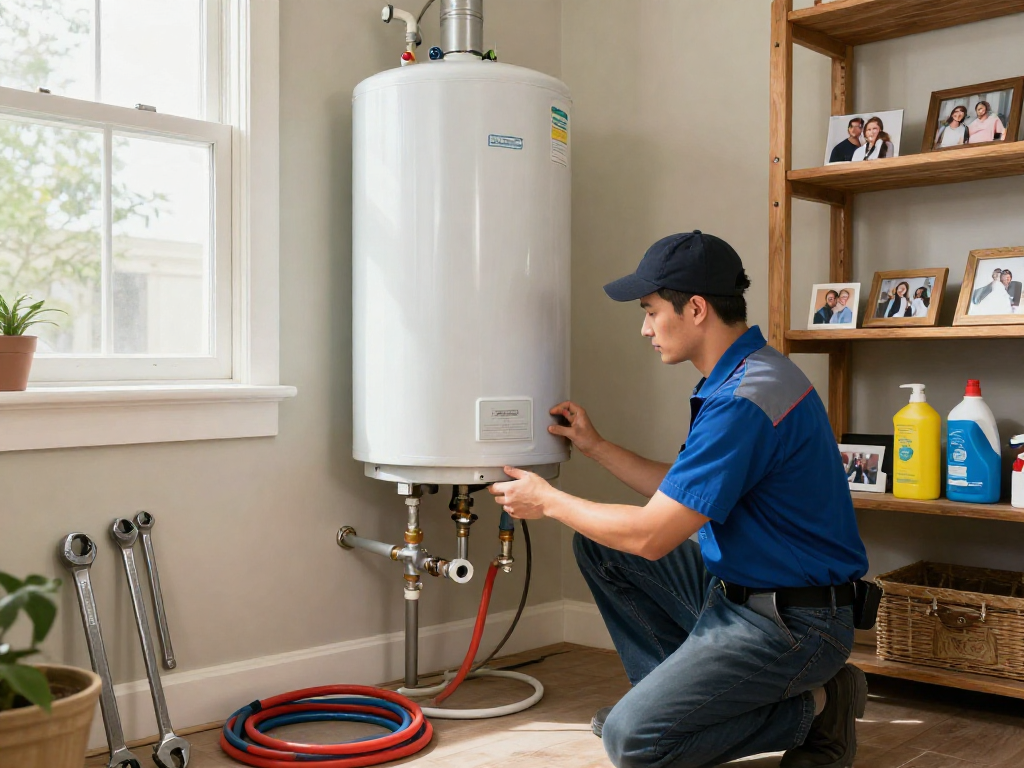
Understanding the Need for Water Heater Replacement
Water heaters are essential components of any home, providing the hot water necessary for showers, laundry, and cooking. However, like all appliances, they have a lifespan and require maintenance, repair, or even replacement over time. Homeowners in Fort Worth often find themselves in need of a water heater replacement Fort Worth due to operational inefficiencies or failures. Understanding the signs indicating a need for replacement can save time, discomfort, and unnecessary costs.
Signs Your Water Heater Needs Replacement?
Detecting the telltale signs of a failing water heater is crucial. Here are some common indicators:
- Inconsistent Water Temperature: If your water does not reach the desired temperature or fluctuates frequently, it may indicate a malfunctioning thermostat or heating element.
- Age of the Unit: Most traditional water heaters last around 8-12 years. If yours is older, it might be time for a replacement.
- Leaks: Any visible leaks from the tank or surrounding pipes are a serious concern and typically mean you need a new unit.
- Unusual Noises: Rumbling or popping sounds can indicate sediment build-up, leading to internal corrosion and, ultimately, failure.
Common Issues Leading to Replacement
Several issues can lead to the conclusion that a replacement is necessary:
- Corrosion: Internal rust and corrosion can significantly weaken the tank, leading to leaks or burst pipes.
- Faulty Thermostat: A broken thermostat may prevent the water from heating adequately, prompting a need for replacement.
- Poor Energy Efficiency: Old water heaters are generally less energy-efficient, resulting in increased utility bills.
- Frequent Repairs: If you find yourself calling for repairs often, it might be more cost-effective to invest in a new unit.
Benefits of Upgrading Your Water Heater
Upgrading your water heater offers several benefits, including:
- Improved Energy Efficiency: Newer models are designed to be more energy-efficient, saving you money in the long run.
- Enhanced Performance: Modern units provide better water heating capabilities and faster recovery times.
- Peace of Mind: New appliances come with warranties, ensuring you won’t face unexpected repair bills for several years.
Choosing the Right Water Heater for Your Home
When deciding on a water heater replacement, it’s essential to understand the various options available. Fort Worth homeowners have several models to choose from, each with its unique advantages and considerations.
Types of Water Heaters Available in Fort Worth
There are primarily three types of water heaters:
- Traditional Storage Water Heaters: These are the most common types and store hot water in a tank. They’re usually available in various sizes to fit different household needs.
- Tankless Water Heaters: Also known as on-demand water heaters, they heat water directly without the use of a storage tank, providing hot water when needed.
- Heat Pump Water Heaters: These use electricity to move heat from the air or ground to heat water, making them highly energy-efficient for those in warmer climates.
Factors to Consider: Size, Energy Efficiency, and Features
When selecting a new water heater, consider the following factors:
- Size: Ensure the unit can meet your household’s hot water demands. Traditional tanks usually range from 20-80 gallons.
- Energy Efficiency: Look for models with a high Energy Factor (EF) rating which indicates overall efficiency.
- Features: Some models offer features like Wi-Fi connectivity and advanced temperature controls for added convenience.
Cost Comparisons: Traditional vs. Tankless Water Heaters
Understanding the cost differences between traditional and tankless water heaters can inform your decision:
- Traditional Water Heaters: Typically lower upfront costs but higher energy bills over time due to standby heat loss.
- Tankless Water Heaters: Higher initial investment but can save money on utility bills and are more energy-efficient in the long term.
Estimating Water Heater Replacement Costs in 2026
In 2026, homeowners can expect varying costs for water heater replacements, depending on the type and model chosen.
Average Costs for Different Water Heater Models
The average cost for different models in Fort Worth generally falls into the following ranges:
- Traditional Storage Water Heaters: $500 - $1,500, depending on size and brand.
- Tankless Water Heaters: $1,000 - $3,000, including installation costs.
- Heat Pump Water Heaters: $1,200 - $3,500, depending on efficiency and capacity.
Installation Costs: What to Expect?
Installation costs can vary widely based on the complexity of the installation and any additional requirements:
- Standard Installation: Ranges from $300 - $600, with direct replacements being less expensive.
- Upgrades or Modifications: If plumbing or electrical modifications are necessary, expect costs to increase by $200 or more.
Hidden Costs and Additional Expenses to Consider
Be aware of potential hidden costs that may arise during installation:
- Permit Fees: Local regulations may require permits for installation, which can add to the overall cost.
- Disposal Fees: If you are replacing an old unit, ensure you ask about disposal fees for the old water heater.
Finding Professional Help in Fort Worth
Choosing the right plumber for your water heater replacement is paramount to ensuring quality work. Fort Worth has many professionals who can meet your needs with the right expertise.
Choosing a Reliable Plumbing Service
Factors to consider when selecting a plumbing service include:
- Experience and Qualifications: Ensure the company has certified technicians with ample experience in water heater installations.
- Customer Service: A good plumbing service should be responsive and willing to address any questions you have.
Questions to Ask Before Hiring a Technician
Before making your choice, ask potential technicians the following questions:
- What is your warranty policy?
- Can you provide references or customer reviews?
- What is the expected timeline for installation?
Importance of Customer Reviews and Ratings
Taking the time to read customer reviews can provide insight into the quality and reliability of a plumbing service. Look for patterns in feedback regarding professionalism, punctuality, and the quality of work performed.
Maintaining Your New Water Heater
Once you have installed your new water heater, maintenance will be crucial to extending its life and efficiency. Regular upkeep can prevent costly repairs in the future.
Regular Maintenance Tips for Longevity
Some maintenance tasks you can perform to keep your water heater in top shape include:
- Flushing the Tank Annually: This helps remove sediment build-up that can cause corrosion and operational inefficiencies.
- Checking the Anode Rod: Replace the anode rod every couple of years to extend the life of your tank.
- Insulating the Tank: Insulating your water heater and pipes can enhance energy efficiency.
Signs That Your Water Heater Needs Professional Attention
Watch for signs that your unit may need professional servicing:
- Unusual Odd Smells: A sulfur smell could indicate bacterial growth inside the tank, which may require a specialist's intervention.
- Lower Water Pressure: This could be a sign of build-up in your pipes or an issue with the water heater itself.
Energy-Saving Practices to Extend Appliance Life
Incorporating energy-efficient practices can not only lower utility bills but can also help prolong the life of your water heater:
- Lower the Temperature Setting: Lowering your water heater’s temperature to 120°F can reduce energy consumption.
- Use Water Wisely: Consider reducing the amount of hot water used for tasks like laundry and dishes.
Frequently Asked Questions
What are the signs of a failing water heater?
Common signs include inconsistent water temperature, leaks, strange noises, and rust-colored water.
How long does a typical water heater last?
A traditional water heater usually lasts about 8-12 years, while tankless models can last up to 20 years with proper maintenance.
What should I look for in a plumbing service?
Seek a licensed, insured service with positive reviews, transparent pricing, and good customer service.
Are tankless water heaters worth the investment?
Yes, they can provide energy savings and endless hot water, particularly beneficial for larger households.
How can I lower the cost of water heater replacement?
Shop around, check for rebates, and understand your options for financing or payment plans offered by plumbing services.