Understanding Mini LED Technology
As display technology continues to evolve at a rapid pace, consumers are often left pondering their options when it comes to purchasing a new television. One of the most intriguing advancements in recent years is the emergence of mini LED TV technology. Mini LEDs offer notable improvements over traditional LED displays, providing enhanced picture quality, better contrast ratios, and overall improved visual performance. This guide will delve deep into what mini LED technology entails, its benefits, and why it stands out in the crowded television landscape.
What is Mini LED TV?
Mini LED TVs utilize a backlighting technology that uses significantly smaller LEDs than standard LED TVs. This allows for more precise control over light output and dimming. In a typical LED television, the backlight is made up of larger LEDs that illuminate the screen. Conversely, mini LED TVs have thousands of tiny light-emitting diodes (LEDs) that can individually adjust brightness levels across the screen. This results in improved contrast and color accuracy, which is especially visible in darker scenes.
Advantages of Mini LED Over Traditional LEDs
- Enhanced Contrast: One of the most significant advantages of mini LED technology is its ability to deliver deeper blacks and brighter whites. This is due to the local dimming features enabled by the miniaturized LEDs, which can be turned on and off independently.
- Better Color Performance: Mini LED TVs can produce a wider color gamut compared to traditional LED TVs, resulting in more vibrant and lifelike hues.
- Improved Brightness: With more LEDs packed into the display area, mini LED TVs can achieve higher brightness levels, making them ideal for brightly lit rooms.
- Reduced Blooming: Mini LEDs help minimize the blooming effect, where bright objects on a dark background bleed light into the surrounding darker areas.
Understanding Local Dimming and Blooming
Local dimming is a technology that enhances the contrast ratio of a television by dimming specific zones of the screen instead of the whole display. In mini LED TVs, this is achieved by utilizing the smaller size of LEDs that allows for more localized control. While traditional LED TVs might face challenges with blooming—where light spills over into areas of high contrast—mini LED televisions handle this issue more effectively, allowing viewers to enjoy clear and precise images even in the most demanding scenes.
Top Mini LED TVs of 2026
As we progress through 2026, the market offers a wide array of mini LED TVs, catering to different preferences and budgets. Here’s a closer look at some of the top-rated models available this year, ranging from budget-friendly options to high-end models.
Best Overall: Features and Specifications
The best overall mini LED TV of 2026 is the Samsung QN900B Neo QLED. This model offers stunning 8K resolution, impeccable color accuracy, and outstanding brightness. It features Samsung's Quantum Mini LED technology, which allows for precise local dimming and excellent performance in both bright and dark environments. The TV also supports Dolby Vision and HDR10+, providing a cinematic experience right in your living room.
Budget-Friendly Options for Every Family
For those on a tighter budget, the TCL 6-Series R646 is an excellent choice. This mid-range model offers 4K resolution and impressive performance thanks to its mini LED backlighting. With support for Dolby Vision HDR and an integrated Roku platform, it provides great value without compromising on quality.
High-End Models: Unmatched Performance
At the high end of the spectrum, the LG QNED99 stands out with its unique combination of mini LED and Quantum Dot technologies. This television is designed to deliver superb picture quality, exceptional brightness, and an expansive color palette. It is ideal for movie enthusiasts and gamers alike, boasting features such as NVIDIA G-Sync compatibility for smoother gameplay.
Choosing the Right Size for Your Space
Selecting the right size mini LED TV for your space is crucial for the best viewing experience. Various factors come into play when determining the perfect size, including your room dimensions and viewing distance.
How to Measure Your Viewing Distance
A general rule of thumb for optimum viewing distance is to sit approximately 1.5 to 2.5 times the diagonal size of the screen away from the TV. For example, if you have a 65-inch TV, the ideal viewing distance would range from about 8 to 13.5 feet.
Recommended Sizes Based on Room Dimensions
- Small Rooms: For rooms under 10x10 feet, a 43-inch to 55-inch TV is advisable.
- Medium Rooms: In spaces around 10x15 feet, consider a 55-inch to 65-inch TV.
- Large Rooms: For larger areas, opt for a 65-inch or larger model, with 75-inch being a popular choice for spacious living rooms.
Exploring Options for Different Room Styles
Different room styles may call for different aesthetics when it comes to your television. Wall-mounted TVs can save space and create a sleek look, while entertainment centers or TV stands can provide additional storage and functionality. Ensure your selection complements your room's decor to create a cohesive visual appeal.
Comparing Mini LED TVs with Other Technologies
When it comes to purchasing a television, understanding how mini LED technology compares with other formats, like OLED and QLED, is essential for making an informed decision.
Mini LED vs OLED: Which is Right for You?
While both mini LED and OLED technologies offer superior picture quality, they cater to different preferences. OLED displays provide perfect black levels and unlimited viewing angles, making them a favorite among cinephiles. However, mini LED displays outperform in brighter rooms due to higher brightness levels and can achieve impressive color volume. Ultimately, the choice will depend on your viewing habits and environment.
Mini LED vs QLED: Performance Breakdown
QLED technology, primarily associated with Samsung, uses quantum dots to enhance color and brightness. While QLED TVs are excellent in terms of brightness and color accuracy, mini LED TVs provide better local dimming capabilities. Mini LEDs shine in contrast and detail in darker scenes, while QLED excels in brightness and vivid colors. Consumers should weigh these factors based on their viewing conditions.
Future Trends in Display Technology
The future of display technology seems promising, with ongoing advancements in mini LED technology. We anticipate improvements in energy efficiency, increased brightness levels, and refined local dimming capabilities. As more manufacturers adopt mini LED technology, consumers will benefit from a wider selection of high-quality TVs tailored to varying needs and preferences.
Setting Up Your Mini LED TV
To get the most out of your new mini LED TV, proper setup and calibration are essential. Here are some tips to optimize your viewing experience.
Optimal Viewing Conditions for Mini LED TVs
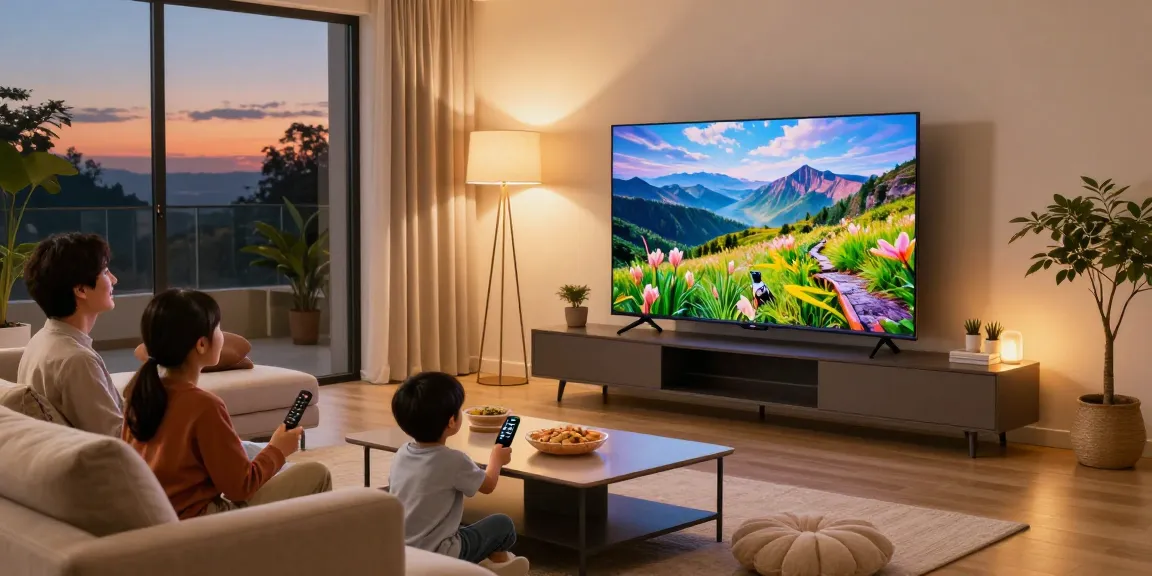
Mini LED TVs perform best in environments where light can be controlled. For example, watching in a dark room will enhance the contrast and clarity of the picture. If your viewing area receives a lot of ambient light, consider blackout curtains or shades to reduce glare.
Best Practices for Installation and Calibration
- Height Matters: Mount or place your TV at eye level when seated for the best viewing angle.
- Distance Check: As mentioned earlier, ensure you're at the right distance from the screen.
- Calibration: Use built-in calibration tools or professional calibration services to fine-tune brightness, contrast, and color settings.
Enhancing Your Home Entertainment Experience
To elevate your viewing experience even further, consider adding soundbars or home theater systems that complement your mini LED TV. Surround sound setups can create a cinema-like atmosphere, making movie nights even more enjoyable.
What are the benefits of Mini LED TVs?
Mini LED TVs offer numerous advantages including improved contrast, brighter displays, and energy efficiency. Their capacity for local dimming provides a richer viewing experience, especially for movies and gaming.
How do Mini LED TVs compare to OLED models?
While OLED TVs excel in black levels and viewing angles, mini LED TVs deliver higher brightness and better performance in well-lit rooms, making them a competitive alternative.
Are Mini LED TVs suitable for gaming?
Yes, mini LED TVs are excellent for gaming due to their rapid response times and impressive refresh rates. Enthusiasts benefit from features like low input lag and support for high dynamic range (HDR) gaming.
What features to look for in a Mini LED TV?
When shopping for a mini LED TV, consider features such as resolution (4K or 8K), HDR support, gaming features (like variable refresh rates), and smart TV capabilities including app support and voice control.
Where can I find the best deals on Mini LED TVs?
Retailers and e-commerce platforms like Amazon, Best Buy, and Walmart frequently offer discounts and promotions on the latest mini LED TVs, making it easier for consumers to find a great deal.